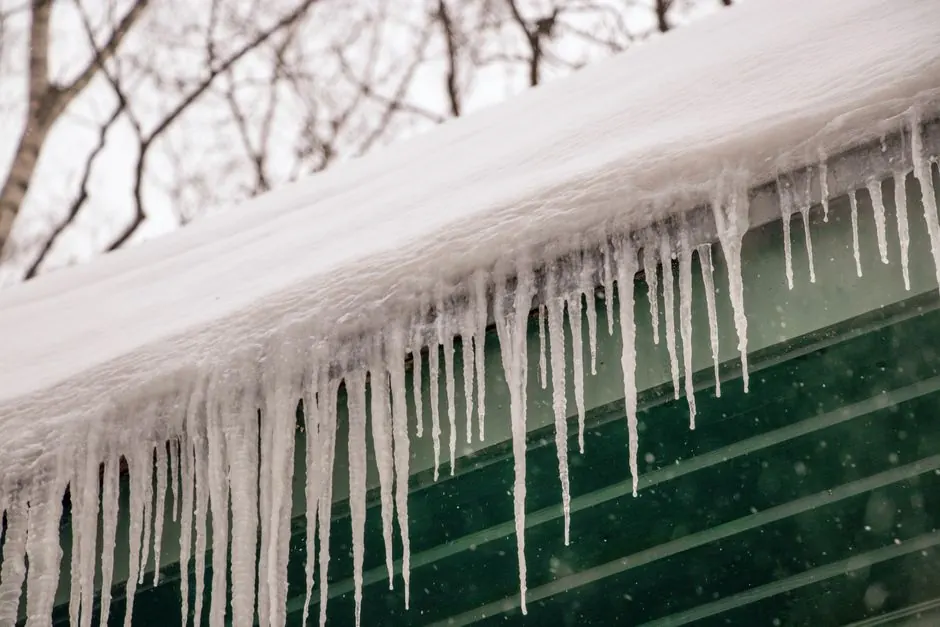
Preparing your roof for heavy snowfall in Ohio is essential to prevent structural damage and ensure safety during winter months. Proper preparation can save you from costly repairs and hazardous situations. This article covers key steps you can take to ready your roof for the challenges of heavy snow.
Roof preparation for heavy snowfall is the process of inspecting, maintaining, and reinforcing your roof to withstand the weight and effects of snow accumulation. With Ohio's winter weather, which can bring significant snowfall, ensuring your roof is ready is crucial.
Why is roof preparation important for snowfall?
Roof preparation is vital because heavy snowfall can lead to ice dams, leaks, and even roof collapses. In Ohio, where snowfall averages between 20 to 30 inches annually, the risk of roof damage increases significantly if preventive measures are not taken.
What are the signs your roof needs attention?
Identifying signs that your roof requires attention is the first step in preparation. Look for the following indicators:
- Missing or damaged shingles
- Visible sagging or drooping
- Water stains on ceilings or walls
- Accumulated debris, such as leaves or branches
- Age of the roof-most roofs last 20-25 years
If you notice any of these signs, it's important to address them before winter sets in. Ignoring these issues can lead to more severe problems when heavy snow arrives.
How to inspect your roof before winter?
Conducting a thorough inspection of your roof can help you identify potential issues. Here's how you can do it:
- Use binoculars: Stand on the ground and inspect your roof for missing shingles or visible damage.
- Check the gutters: Ensure gutters are clear of debris to prevent water backup, which can freeze and cause ice dams.
- Look for sagging: Inspect the roof's structure for any signs of sagging, which could indicate underlying issues.
- Inspect for moss or algae: These can hold moisture and lead to roof decay.
- Hire a professional: Consider scheduling a roof inspection in Ohio for a comprehensive evaluation.
What maintenance should you perform?
Regular maintenance is crucial for ensuring your roof can handle heavy snowfall. Here are some recommended maintenance tasks:
- Clean gutters: Make sure gutters are free from debris to allow proper drainage.
- Trim trees: Cut back any overhanging branches that could fall onto your roof under the weight of snow.
- Seal leaks: Use roofing sealant to patch any leaks or holes in your roof.
- Reinforce weak areas: If your roof has weak spots, consider reinforcing them with additional support.
- Schedule repairs: If your roof is showing signs of wear, contact a professional for roof repair in Ohio.
Common mistakes to avoid
When preparing your roof for heavy snowfall, avoid these common mistakes:
- Neglecting regular inspections: Failing to inspect your roof regularly can lead to unnoticed damage.
- Ignoring drainage issues: Clogged gutters can lead to ice dams, which can cause leaks.
- Overloading the roof: Excessive snow accumulation can lead to structural failure.
- DIY repairs: Attempting to fix significant issues without professional help can worsen the problem.
- Postponing maintenance: Delaying necessary repairs can lead to more extensive damage over time.
When to call a professional
If you encounter significant issues during your inspection or if your roof is older than 20 years, it's time to call a professional. Roofingprosohio offers comprehensive roof replacement in Ohio and can help ensure your roof is ready for winter.
Frequently Asked Questions
How much snow can a roof typically hold? Most roofs can safely hold about 20 pounds per square foot of snow, equivalent to about 2 feet of fresh snow. However, this varies based on roof type and condition.
What are ice dams, and how can I prevent them? Ice dams form when snow melts and refreezes at the roof's edge. Prevent them by ensuring good insulation and ventilation in your attic.
How often should I have my roof inspected? It's advisable to have your roof inspected at least once a year and after significant weather events.
What should I do if my roof collapses under snow? Evacuate the building immediately and call emergency services. Follow up with a roofing professional to assess the damage.
Can I remove snow from my roof? Yes, but use a roof rake to safely remove snow from the edge of the roof. Avoid climbing on the roof unless necessary.